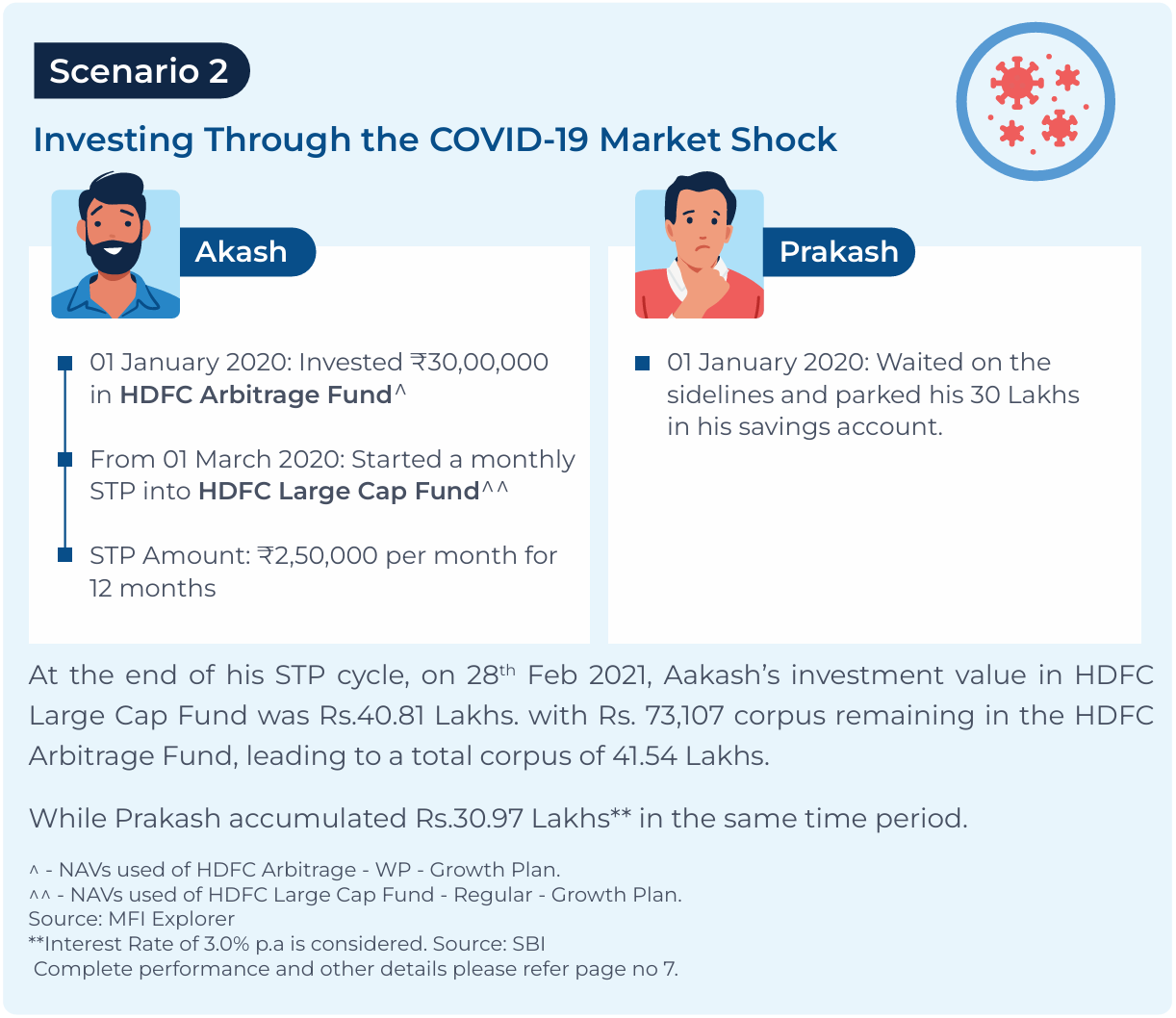
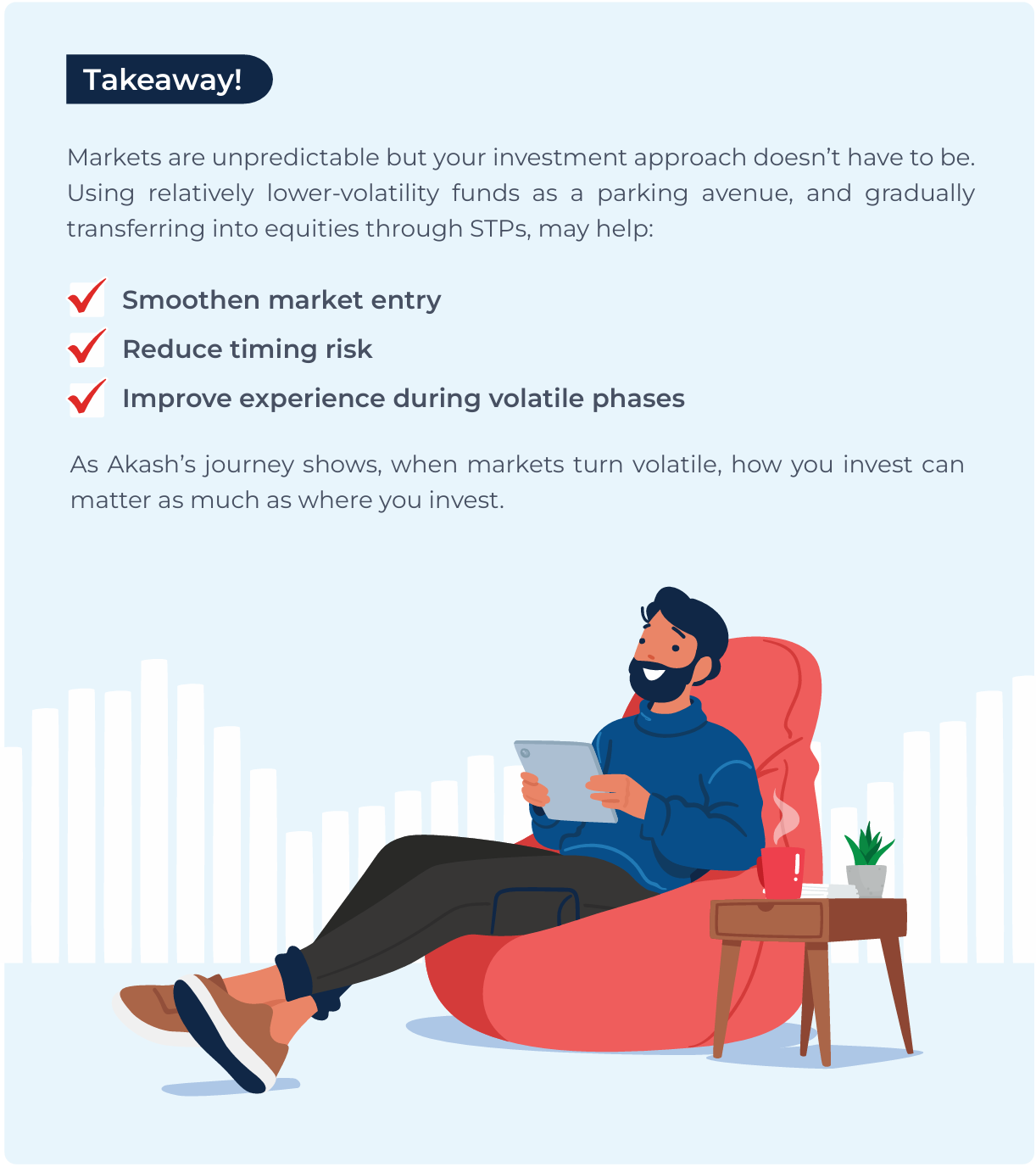
In both scenarios, Aakash’s STP was already in motion well before markets reached their lowest point during the crisis. As markets eventually bottomed out, this allowed him to benefit from one of the key advantages of an STP which is accumulating a higher number of units at lower market levels causing Aakash to end up with a higher corpus compared to Prakash, highlighting the potential benefits of disciplined deployment of funds during uncertain times.

- Entering text into the form field will trigger a list of options
Trending Searches
- Invest / Login
Navigating Crisis Waves: How Staggered Lumpsum Investments via STPs Keep You Afloat

Last Updated On: 9 Jun 2026


Ride the Market Waves with Staggered Lumpsum Investments via STPs
A Systematic Transfer Plan (STP) allows you to:

Park your lump sum in a relatively lower-risk fund

Gradually transfer a fixed amount into an equity-oriented fund over time

Help spread investments over multiple periods, effectively averaging the cost of investing.
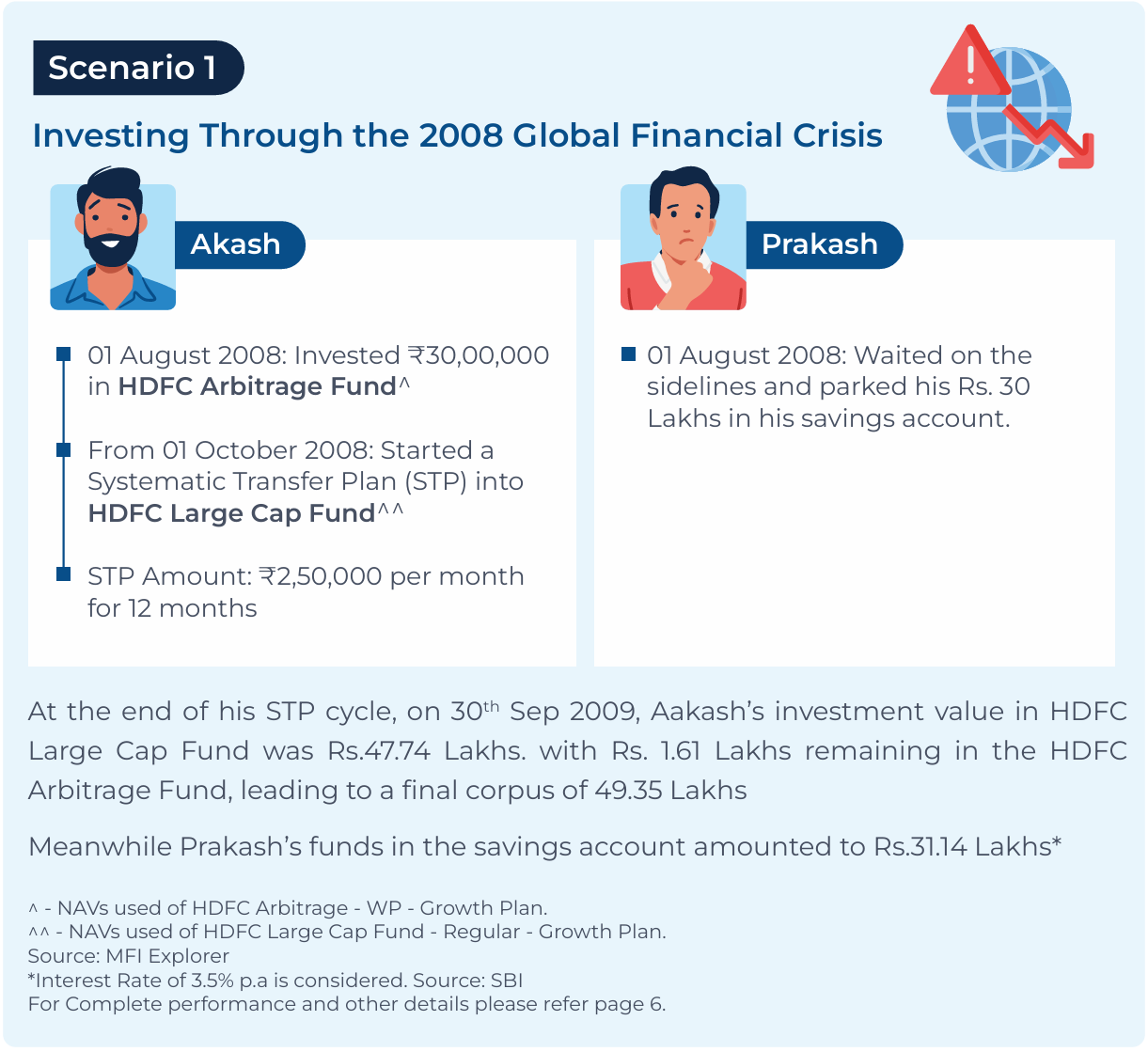
Akash and Prakash, two brothers, received a lump sum of ₹30 lakh each from the sale of a family property. They received the proceeds during a period of heightened market volatility.
Akash preferred investing in equities using a phased approach, while Prakash remained on the sidelines fearing volatility of equity markets and decided to put his amount in a savings account.
Let’s see how their decisions played out across two major market disruptions.

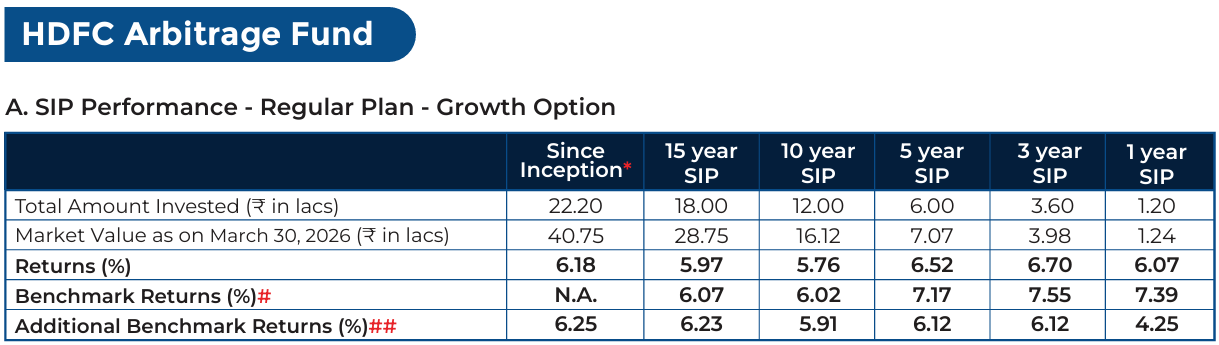
Assuming ₹10,000 invested systematically on the first Business Day of every month over a period of time. CAGR returns are computed after accounting for the cash flow by using XIRR method (investment internal rate of return) for Regular Plan - Growth Option. The above investment simulation is for illustrative purposes only and should not be construed as a promise on minimum returns and safeguard of capital. SIP - Systematic Investment Plan
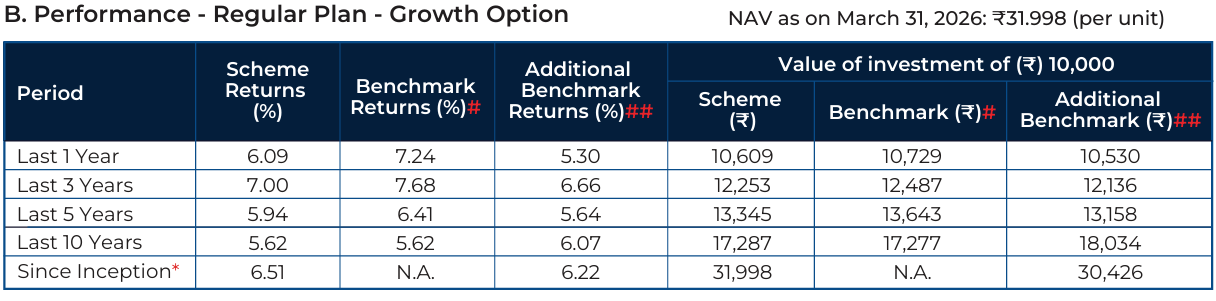
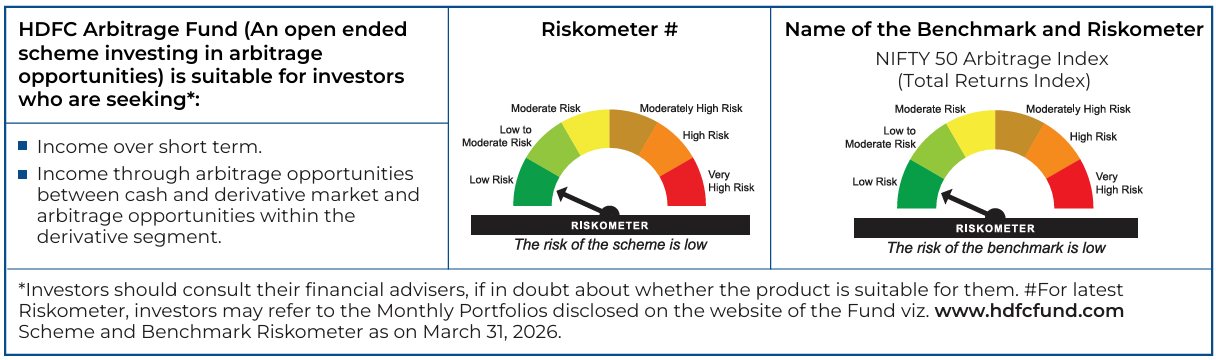
Common notes for above table A & B: Past performance may or may not be sustained in future and is not a guarantee of any future returns. Load is not taken into consideration for computation of performance. # NIFTY 50 Arbitrage Index (Total Returns Index) ## CRISIL 1 Year T-Bill Index. *Inception Date: October 23, 2007. The Scheme is managed by Mr. Anil Bamboli (Debt Assets) (since February 01, 2022), Mr. Arun Agarwal (Arbitrage Assets) (since August 24, 2020) and Nandita Menezes (Arbitrage Assets) (since March 29, 2025). Returns greater than 1 year period are compounded annualized (CAGR). N.A. Not Available. Scheme performance is not strictly comparable with that of its Additional Benchmark since the scheme does not take directional call in equity markets but is limited to availing arbitrage opportunities, etc.Different plans viz. Regular Plan and Direct Plan have a different expense structure. The expenses of the Direct Plan under the Scheme will be lower to the extent of the distribution expenses / commission charged in the Regular Plan. For. Scheme Returns and Additional Benchmark Returns as on March 31, 2026.
Benchmark performance is computed as on 30th March, 2026, since values for 31st March 2026 are not available.
For performance of other funds managed by fund manager, Please click here.
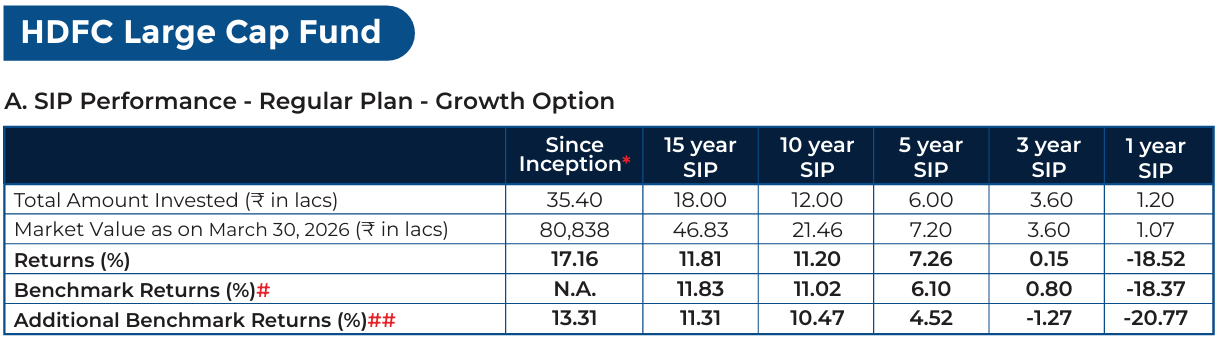
Assuming ₹10,000 invested systematically on the first Business Day of every month over a period of time. CAGR returns are computed after accounting for the cash flow by using XIRR method (investment internal rate of return) for Regular Plan - Growth Option. The above investment simulation is for illustrative purposes only and should not be construed as a promise on minimum returns and safeguard of capital. SIP - Systematic Investment Plan
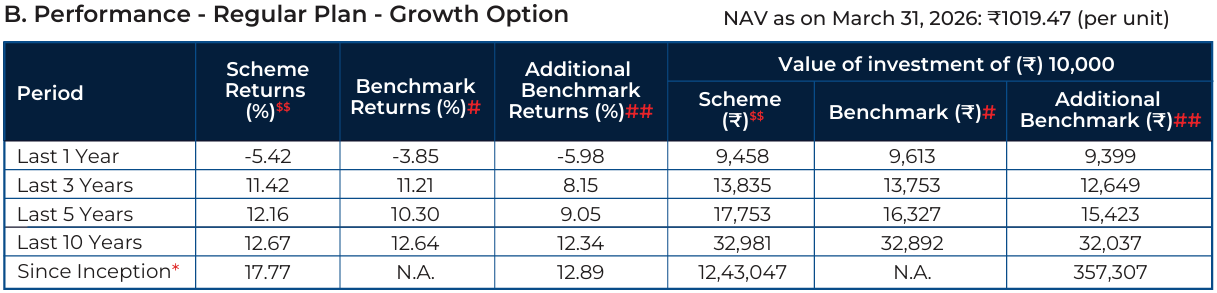
Common notes for above table A & B: Past performance may or may not be sustained in future and is not a guarantee of any future returns. Load is not taken into consideration for computation of performance.
# NIFTY 100 Total Returns Index (TRI) ## BSE SENSEX Index (TRI). *Inception Date: October 11, 1996. The Scheme is managed by Mr. Rahul Baijal (since July 29, 2022). $$ All Distributions declared prior to the splitting of the Scheme into IDCW & Growth Options are assumed to be reinvested in the units of the Scheme at the then prevailing NAV (ex-distribution NAV). N.A. Not Available. The above returns are for Regular Plan - Growth Option. Returns greater than 1 year period are compounded annualized (CAGR). Different plans viz. Regular Plan and Direct Plan have different expense structure. The expenses of the Direct Plan under the scheme will be lower to the extent of the distribution expenses/commission charged in the Regular Plan. Scheme Returns as on March 31, 2026.
Benchmark and Additional Benchmark performance is computed as on 30th March, 2026, since values for 31st March 2026 are not available.
For performance of other funds managed by fund manager, Please click here.
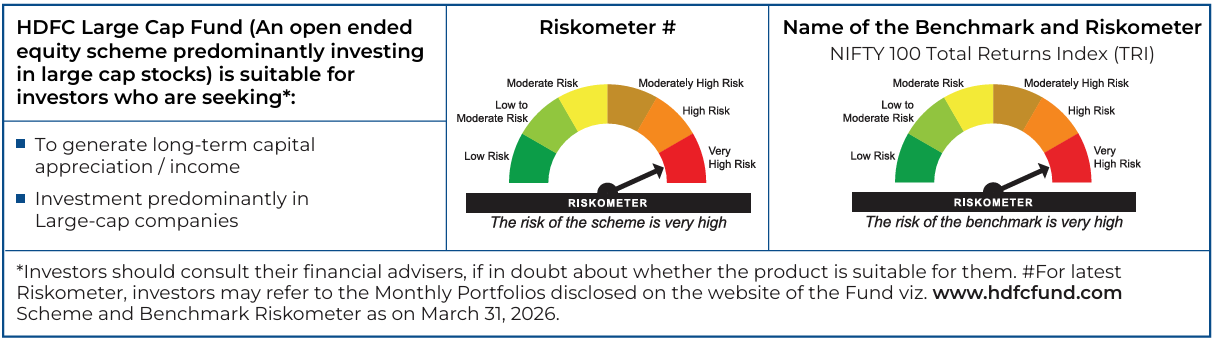
Views expressed above are indicative and should not be construed as investment advice or as a substitute for financial planning. Due to the personal nature of investments, investors are advised to seek professional advice before investing.
MUTUAL FUND INVESTMENTS ARE SUBJECT TO MARKET RISKS, READ ALL SCHEME RELATED DOCUMENTS CAREFULLY.
Stay ahead with our insights
Did you find this interesting?
Your opinion matters - share your thoughts and help us improve.