
- Entering text into the form field will trigger a list of options
Trending Searches
- Invest / Login

Behind Schedule Getting Your Retirement Plan Back on Track

Last Updated On: 27 Nov 2026

Amit was 42 when saving for retirement first became a major realization. He had spent two decades building a career, buying a home and providing for his family. Retirement planning always took a back seat.
One evening, he worked out how much he would need after he stopped working. The number surprised him. So did the few years he had left to build it.
His first thought was, "Have I already lost too much time?"
If you feel the same, you are not alone. Starting early helps. But starting late does not mean giving up.
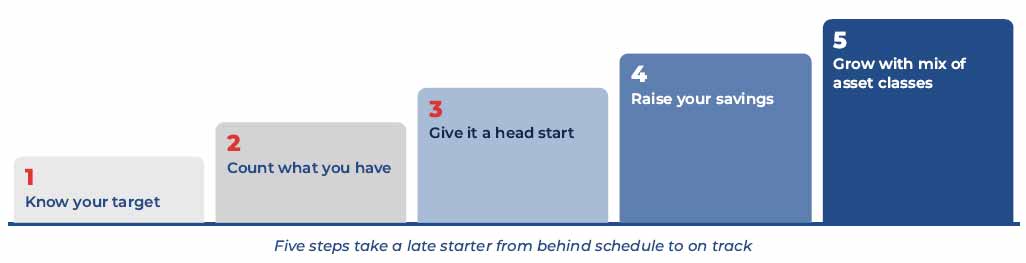
1. Know your target. Decide when you want to retire and plan for a long life. Estimate your expenses, allowing for inflation, healthcare, lifestyle and family commitments. Include any EMIs that may continue. Work backwards to a corpus.
2. Count what you have. List your EPF, PPF, NPS, mutual funds and fixed deposits. Understand the gap.
3. Give it a head start. Once emergencies are covered, move some existing surplus towards retirement.
4. Raise your savings. Direct part of every increment or bonus to retirement. A SIP that rises every year adds up.
5. Let growth assets work. Choose an equity-debt mix that suits your risk appetite and horizon. Do not take excessive risks simply to compensate for a late start.

Easily accessible savings often get diverted towards something more urgent. A dedicated retirement investment keeps this corpus separate.
One such option is HDFC Retirement Fund, offering three plans:
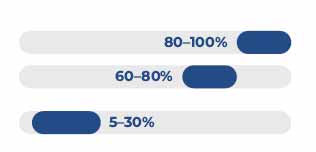
- Equity Plan: 80–100% equity, for a longer horizon and higher risk appetite
- Hybrid Equity Plan: 60–80% equity, for a balance of growth and stability.
- Hybrid Debt Plan: 5–30% equity, for conservative investors or those near retirement.
Its lock-in of five years or until age 60, whichever is earlier, encourages discipline.
Anil, Bharat and Chetan all aim for the same retirement corpus. The difference lies in when they start and how much they invest. While Anil benefits from starting early, Bharat has to invest significantly more each month to catch up. Chetan takes a different route by combining a lump-sum investment with a regular SIP.
| Anil | Bharat | Chetan | |
|---|---|---|---|
| Starts investing at | 35 (Dec 2001) | 45 (Dec 2011) | 45 (Dec 2011) |
| Years invested | 25 | 15 | 15 |
| Lump sum at the start | Nil | Nil | ₹37 lakh (approx.) |
| Monthly SIP | ₹13,300 | ₹60,100 (approx.) | ₹13,300 |
| Own money put in | ₹40 lakh | ₹1.08 crore (approx.) | ₹61 lakh (approx.) |
| Value at 60 (Nov 2026) | ₹3 crore (approx.) | ₹3 crore (approx.) | ₹3 crore (approx.) |
Illustrative example based on actual Nifty 50 TRI values. Investments and SIPs are assumed on the first trading day of each month and valued as on 20 November 2026. Past performance may or may not be sustained in future.

The lesson is simple: when time is shorter, you need either a higher savings commitment or a larger starting amount. Time remains one of the most powerful drivers of wealth creation.
Avoid | Instead |
|---|---|
| Delaying retirement planning further | Start now and review your retirement gap |
| Taking excessive risk to make up for lost time | Follow an asset allocation suited to your goals |
| Depending on future income growth alone | Increase savings and invest available surpluses |
| Using retirement savings for near-term expenses | Keep retirement investments separate and disciplined |
| Assuming it is too late to catch up | Focus on saving more and staying invested |
You cannot change when you began. You can change how you use the years ahead.
A late start asks for more commitment and careful planning. The bigger mistake is letting the feeling of being late delay you further.

Happy Investing!
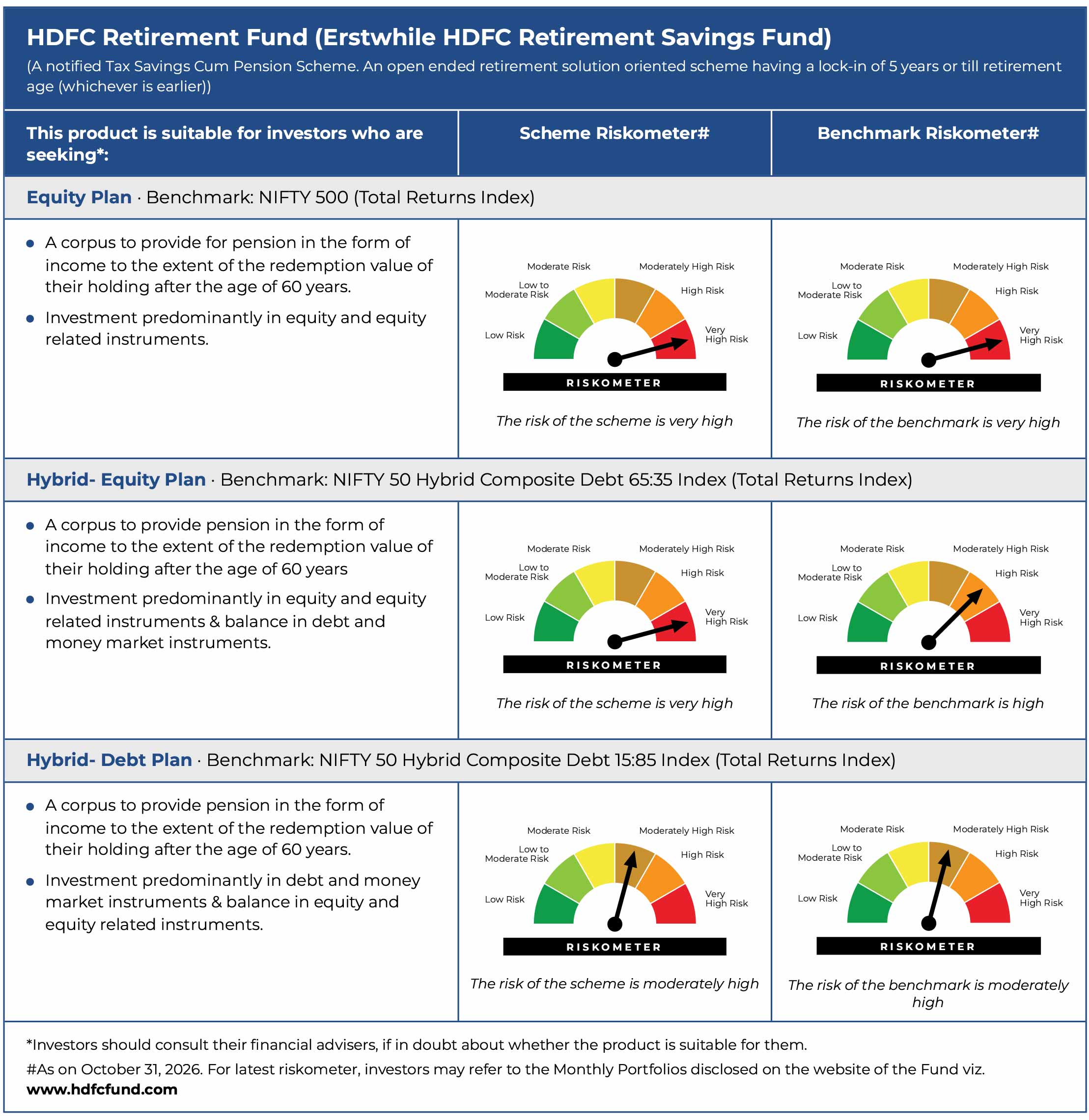
Views expressed above are indicative and should not be construed as investment advice or as a substitute for financial planning. Due to the personal nature of investments, investors are advised to seek professional advice before investing.
MUTUAL FUND INVESTMENTS ARE SUBJECT TO MARKET RISKS, READ ALL SCHEME RELATED DOCUMENTS CAREFULLY.
Stay ahead with our insights
Did you find this interesting?
Your opinion matters - share your thoughts and help us improve.