
- Entering text into the form field will trigger a list of options
Trending Searches
- Invest / Login
Barni Se Azadi
From a Lifetime of Saving to a Future of Investing for Women


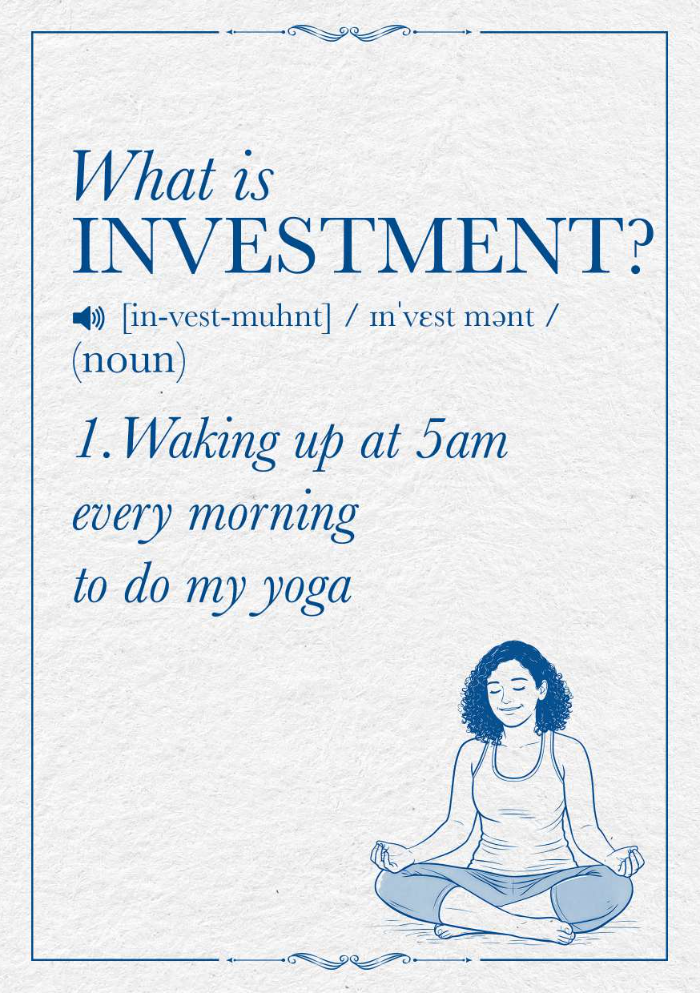

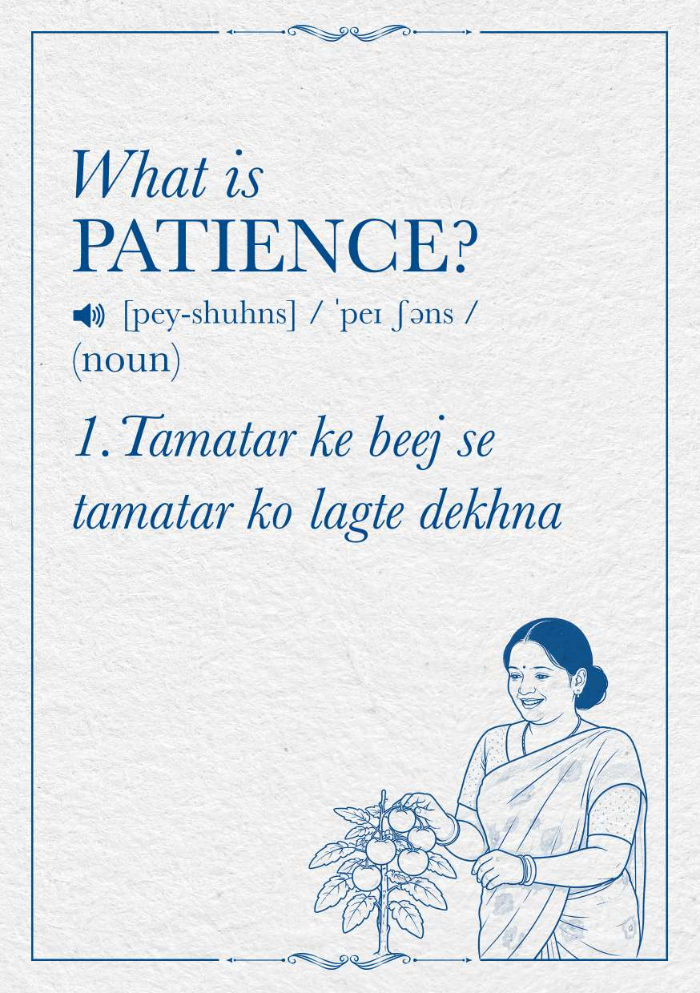
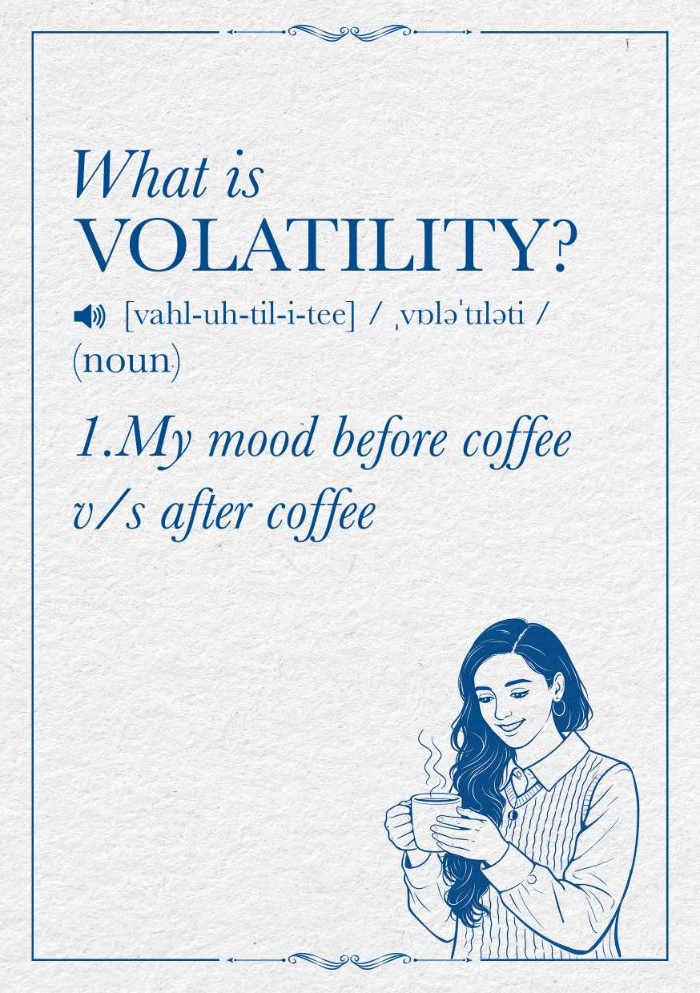

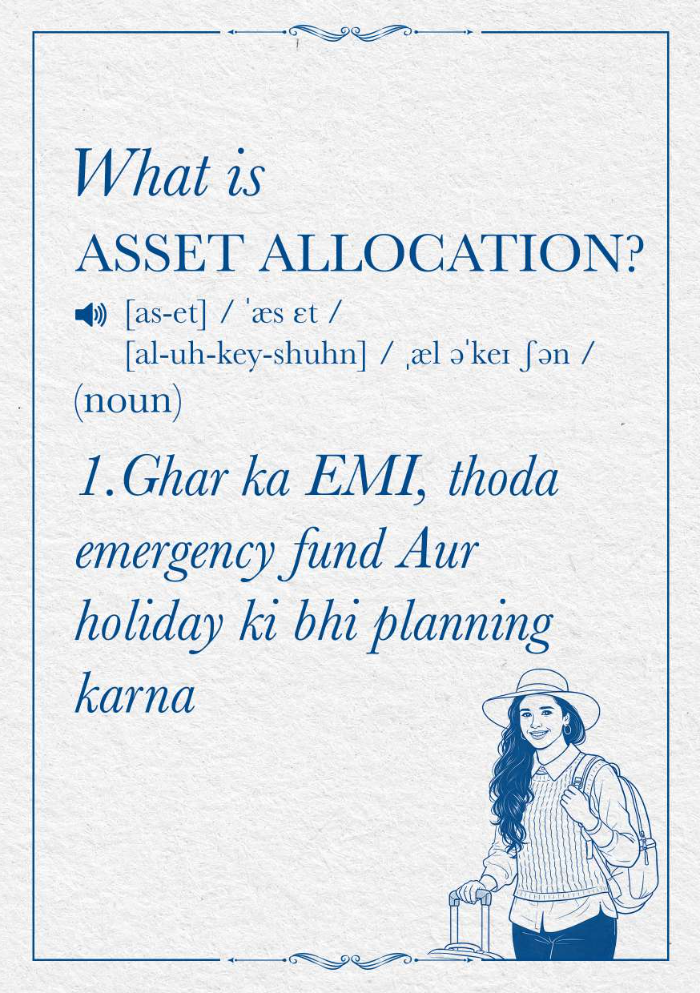

How one insight became a movement
From a single idea in 2021 to a nationwide yatra in 2026 — the story of Barni Se Azadi.
An idea is born
- Barni Se Azadi launches as an investor education and awareness initiative made for women
- Launch film introduces the barni: right for pickles, wrong for money that inflation erodes
- Mutual funds positioned as the modern-day barni, where money can stay safe and can grow
- Diwali film: traditions matter, but our approach to money must evolve
From films to real conversations
- Talking Barni supermarket experiment: a jar that reminds shoppers it is for groceries, not savings
- Fever FM & Radio Nasha women's special reaches 120+ women with entertainment plus education
Awareness becomes engagement
- A shift from awareness to large-scale grassroots engagement
- Nationwide Nukkad Natak initiative: 76 street plays across India
- Investor education taken directly to communities, simple and culturally relevant
Meeting the nation in person
- 79 Nukkad Nataks mark the 79th year of independence, engaging thousands of women
- Magh Mela: Nivesh Mantra (diyas for dreams) and Flogo (releasing dreams from a barni)
- Reaching audiences with limited access to financial awareness
Naari Nivesh Yatra
- Launched on 9 June 2026, flagged off at Chetana College, Bandra, by MD & CEO Navneet Munot
- Two awareness vans, six months, across India
- Nukkad Nataks, investor interactive sessions, and session with Women Self-Help Groups
Naari Nivesh Yatra: Taking Investing To Women Across India
Naari Nivesh Yatra is a nationwide investor education and awareness initiative designed to encourage women to take charge of their financial future through informed investing and long-term planning. Flagged off in Mumbai in June 2026, it is an extension of Barni Se Azadi.
It is built on a simple belief: women are often the most disciplined savers in a household, yet structured investing has stayed out of reach because the right conversation around personal finance never happened. This Yatra intends to start that conversation.
The campaign features two specially designed awareness vans travelling across India over six months.
- Nukkad Nataks
- Interactive educational sessions
- Sessions with Women Self-Help Groups
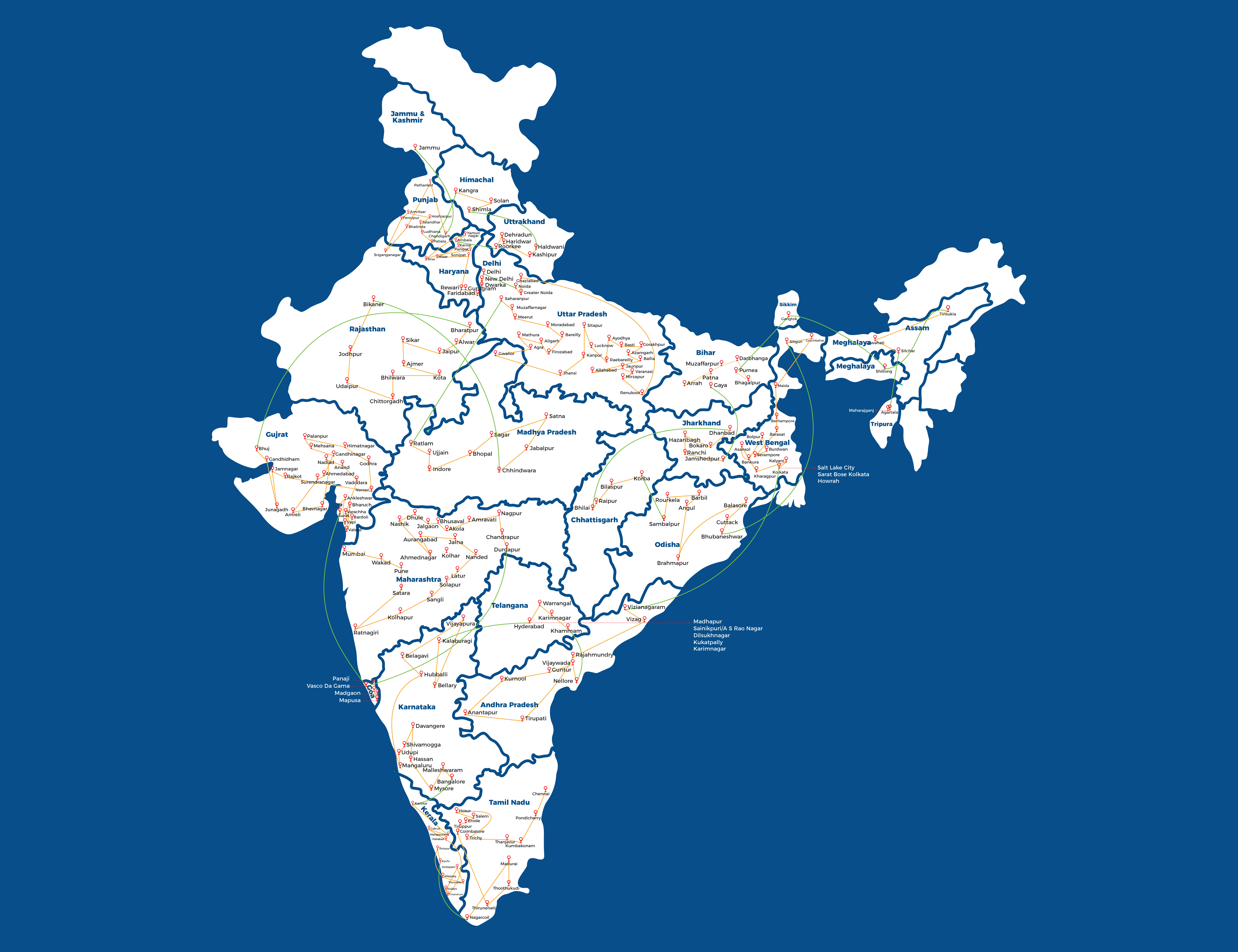
Van 1 · Mumbai → Madhya Pradesh
Western & Northern India. 9 states and 4 Union Territories.
Van 2 · Chennai → Tripura
Southern & Eastern India. 14 states and 1 Union Territory.
Ongoing reach
Investor Awareness Programmes (IAPs) across India have collectively reached thousands of women.
Why Move From Saving To Investing
There's a smarter way to grow your money
With mutual funds, your money works harder — aiming to grow over time while offering potential protection against inflation and financial uncertainty. Here is how mutual funds compare with the options many households already use.
Diversification
Your money is pooled with others and spread across many companies and sectors, so one poor performer may not sink everything. Not put all your eggs in one basket.
Professional management
Experts called fund managers use research to pick investments in line with the fund's investment objective.
Affordability
You do not need a lot to start. You can begin with as little as Rs. 100 through a SIP.
Well regulated
Mutual funds in India are monitored and regulated by SEBI, with prescribed processes and transparent disclosures aimed at protecting investors' interests.
Mutual Funds vs Savings Account vs Fixed Deposit
| Criteria | Mutual Funds | Bank Savings | Fixed Deposit |
|---|---|---|---|
| Investment approach | Pooled with others to invest in various assets | Deposited in a bank account | Deposited with the bank for a fixed period |
| Potential returns | Higher potential returns, but higher risk | Lower returns than mutual funds | Fixed interest rate for the tenure |
| Risk | Higher, due to market fluctuations | Generally considered safe | Generally considered safe |
| Professional management | Managed by professional fund managers | None | None |
| Liquidity | Can be redeemed, value may fluctuate | Easily accessible anytime | Penalty may apply before tenure |
| Suitable for | Long-term goals, comfort with risk | Emergency funds, short-term needs | Mid to long-term saving goals |
Consider starting your SIP in 6 simple steps
Define your goal
What are you investing for? A future expense, a life milestone, or simply more financial comfort.
Choose a suitable fund category
Pick a fund that matches your goal, time horizon, and risk appetite.
Complete your KYC
A quick, one-time step. Your entry into the world of investing.
Decide your SIP amount & frequency
Start with what feels easy. Consistency matters more than the amount.
Select your investment platform
Choose the simplest way for you — app, website, or advisor.
Set up auto-debit
Let your SIP run quietly in the background. Like a habit that takes care of itself.
Watch how the SIP story unfolds
FAQs
Barni Se Azadi is an investor education and awareness initiative by HDFC Mutual Fund that encourages people to move beyond traditional saving, like keeping money in a Barni, and towards informed investing through mutual funds. The name means "freedom from the jar", a nod to the household savings jar, and the campaign highlights how inflation erodes idle savings over time.
The Naari Nivesh Yatra is a nationwide investor education and awareness initiative by HDFC Mutual Fund that encourages women to take charge of their financial future through informed investing. Launched in June 2026 as an extension of Barni Se Azadi, it includes two vans travelling across India, street plays and community sessions, including 60 dedicated sessions with Women Self Help Groups.
Naari Nivesh Yatra is an extension of the Barni Se Azadi campaign. While, Barni Se Azadi speaks to women about moving from saving to investing, Naari Nivesh Yatra takes this one step further by taking financial literacy directly to communities across India.
Women are often the most disciplined savers in a household, but financial independence needs more than saving. It needs control over savings, knowledge of investment choices, awareness of risk and the confidence to ask questions. Investing helps money grow ahead of inflation and turns disciplined saving into long-term wealth.
Because of inflation, money kept idle loses value over time, so what you save today may buy less tomorrow. A Barni, generally offer safety or easy access, but limited growth. Mutual funds aim to grow your money over the long term and offer potential protection against inflation.
Start by completing a one-time KYC, which can be done online with Aadhaar and PAN. Then choose a fund house and scheme, basis your risk taking appetite and financial goals with help from a distributor, advisor or your bank if needed. You can invest as a lump sum or through a SIP, and you can begin with as little as Rs. 100.
A Systematic Investment Plan lets you invest a fixed amount at regular intervals, such as monthly. It generally suits beginners because it can start small, removes the pressure of timing the market and builds a disciplined habit of investing that can grow into meaningful wealth over time.
You can start a SIP with as little as Rs. 100 in many schemes, subject to the conditions in the respective Scheme Information Document. This makes mutual funds accessible even when you are starting with a small, regular amount.
Mutual funds in India are regulated by SEBI and follow clear, transparent processes designed to protect investors. They carry market risk, so returns are not guaranteed, but the industry is well regulated and professionally managed.


Get a call back